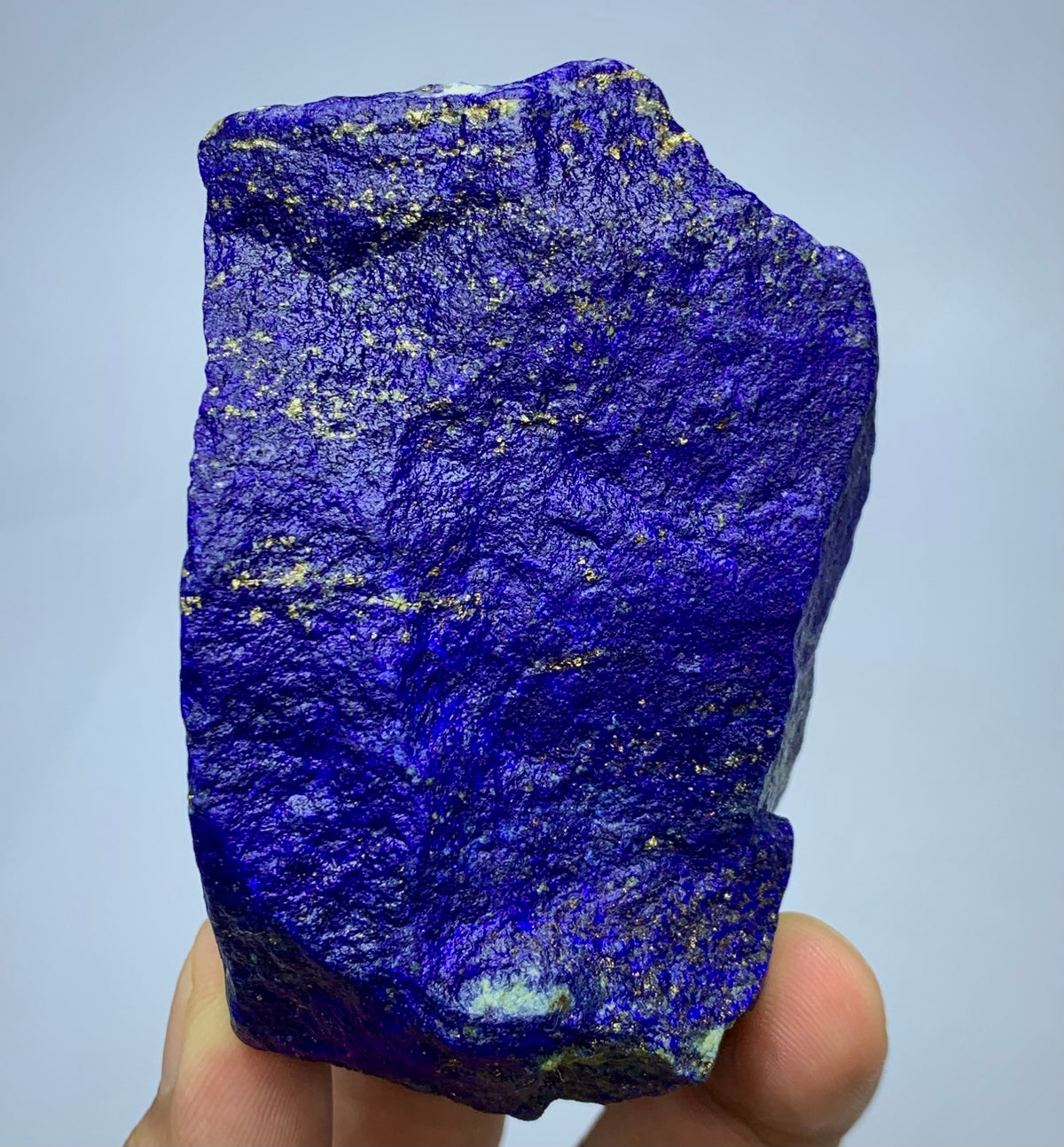
Lapis Lazuli Rough Boulder Specimen – Badakhshan, Afghanistan
Lapis Lazuli Rough Boulder Specimen – Badakhshan, Afghanistan
Couldn't load pickup availability
| Feature | Details |
|---|---|
| Mineral | Lapis Lazuli (Rough Specimen) |
| Weight | 357 Grams |
| Dimension | 9.8 x 6.3 x 6.3 cm |
| Colour | Royal Blue with Natural Pyrite & Calcite |
| Origin | Badakhshan, Afghanistan |
Lapis Lazuli Rough Boulder Specimen from Badakhshan, Afghanistan
If you're looking for a raw Lapis Lazuli specimen with real physical presence rather than a flat display piece, this 357-gram boulder from Badakhshan, Afghanistan is worth a closer look. It comes straight from the source region without any lapidary work done to it, so what you see is exactly how it formed underground: rough edges, natural color variation, and all.
Where This Piece Comes From
Badakhshan sits in the mountainous northeast of Afghanistan, and it's the origin point most collectors specifically look for when shopping for Lapis Lazuli specimens. This particular piece stays true to that origin, arriving unpolished and untouched by any lapidary alteration.
Shape, Depth, and What Makes It Stand Out
At 9.8 x 6.3 x 6.3 cm, the width and depth of this specimen are nearly identical, giving it a near-equant, cube-like form rather than the flatter, slab-like shape more common in smaller pieces. That geometry means it sits on a flat base without needing a mount or stand, which matters if you're planning to display it directly on a shelf rather than in a case with supports.
The Mineral Composition
The core matrix is Lazurite, carrying the deep indigo-to-ultramarine blue that Lapis Lazuli is known for. Running through the raw surface are veins of metallic golden Pyrite and pockets of white Calcite, both minerals that occur naturally alongside Lazurite in genuine Lapis Lazuli deposits. Neither has been added or enhanced here; they're simply part of how this stone grew.
Who This Specimen Suits
This piece works well for collectors building out a cabinet of rough, unaltered mineral specimens, and it also suits lapidary artists who want raw material to cut or shape themselves rather than buying a finished piece. Either way, it ships exactly as pictured, with locality documentation confirming it came from Afghanistan.
Frequently Asked Questions
Is this Lapis Lazuli specimen treated or enhanced in any way?
No. This is a raw, unpolished specimen sold in its natural state, with no lapidary alteration, dyeing, or treatment applied.
Will this specimen stand upright on its own?
Yes. Its flat base and near-equant, cube-like proportions (6.3 cm depth matching its 6.3 cm width) allow it to stand on its own without a mount or stand.
What minerals are visible in this specimen besides Lapis Lazuli?
The raw surface shows metallic golden Pyrite and white Calcite, both of which occur naturally alongside Lazurite in genuine Badakhshan Lapis Lazuli deposits.
Is this piece suitable for cutting or lapidary work?
Yes. Since it's unpolished and untouched, it can be used as raw material by lapidary artists, in addition to being displayed as-is by collectors.
| Feature | Details |
|---|---|
| Mineral | Lapis Lazuli (Rough Specimen) |
| Weight | 357 Grams |
| Dimension | 9.8 x 6.3 x 6.3 cm |
| Colour | Royal Blue with Natural Pyrite & Calcite |
| Origin | Badakhshan, Afghanistan |